
When it comes to garden maintenance, there isn’t one tool or power source that is right for everyone. A homeowner maintaining a small garden has very different requirements from someone clearing overgrown vegetation, managing a large property or tackling demanding landscaping work. That’s where the choice between petrol and cordless garden machinery comes in. Petrol-powered machinery has traditionally been associated with power, extended runtime and demanding outdoor work, while cordless technology offers the convenience of battery power, easier start-up and lower operating noise.
But which one should you choose? The answer depends on more than just power.
Before choosing your next garden machine, consider the size of your garden, how intensive the job is, how long you will be working, how frequently you’ll use the tool and what your working environment is like. The right question isn’t necessarily “Which is better: petrol or cordless?” It’s: “Which is better for my job?” Let’s look at some of the most common garden jobs and where petrol and cordless machinery each make sense.
Grass Trimmers: Maintenance Made Easy
Line trimmers make it easy to keep your garden neat and tidy. They reach areas that a lawn mower cannot, including around trees, garden beds, walls, fences and lawn edges.
Choosing the right line trimmer depends on the size of your garden, the type of grass and how often you trim. The RPT-3000 30CC 2-Stroke Petrol Line Trimmer gives gardeners the extra capability of petrol power. It suits larger areas, longer grass and tougher trimming jobs where you need extended working time without stopping to recharge a battery.
For everyday garden maintenance, the XLT-240 18V Li-ion Line Trimmer offers a convenient cordless solution. Its lightweight, cordless design makes it easy to tackle quick jobs such as tidying lawn edges, trimming around garden beds and clearing grass around obstacles. If you prefer to maintain your garden little and often, cordless equipment also removes the need to prepare and refuel petrol machinery.
The key difference comes down to how you use your trimmer. If you regularly tackle large areas or long grass for extended periods, a petrol line trimmer can provide the power and runtime you need. If you mainly maintain an established residential garden, an 18V cordless trimmer offers an easy and convenient way to keep your lawn looking neat.
Pro tip: If your typical trimming job only takes a few minutes, convenience can make all the difference. For larger areas of long grass, consider the workload and required runtime before choosing a cordless trimmer.
Brush Cutters: When Grass Becomes Vegetation
A brush cutter takes garden maintenance beyond what a conventional line trimmer can handle. Line trimmers work well for grass and finishing jobs, while brush cutters tackle tougher vegetation and heavier growth.
The RBC-5200 52CC Petrol Straight Shaft Brush Cutter delivers the capability needed for demanding clearing jobs. It suits larger properties, long grass and areas where vegetation has become dense or difficult to manage. Petrol machinery works particularly well when you need to clear overgrown areas rather than simply maintain an established garden. For gardeners who prefer cordless equipment, the XBBC-18 18V Brushless Brush Cutter provides a battery-powered alternative for garden maintenance and vegetation clearing. Its cordless design makes it convenient to use around residential properties, while battery power can also reduce the noise associated with petrol machinery.
Before choosing a brush cutter, consider the type of work your garden requires. If you mainly maintain grass around your home and occasionally tackle tougher growth, a cordless brush cutter can provide a practical balance of capability and convenience. If you regularly clear large areas of dense or overgrown vegetation, a petrol brush cutter can give you the additional power and runtime required for the job.
Pro tip: Ask yourself whether you’re maintaining or clearing.
If you’re keeping an established garden under control, cordless equipment offers a convenient solution. If you’re regularly reclaiming overgrown areas, consider the additional capability and runtime of petrol machinery.
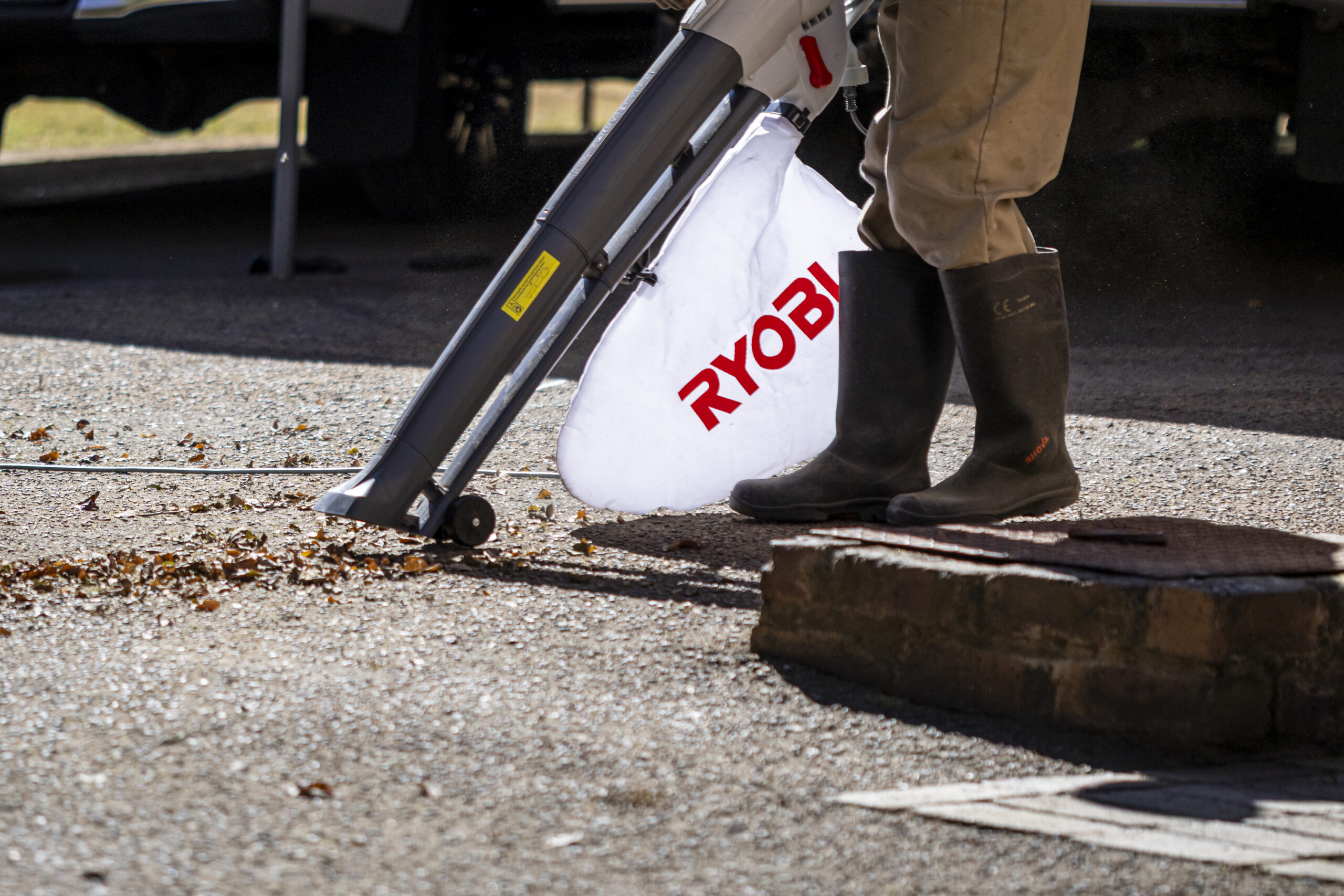
Blowers & Mulching Vacs: Clean-Up After the Cut
Garden maintenance doesn’t stop when the grass is cut. Leaves, grass clippings and other garden debris can quickly make a freshly maintained garden look untidy. A blower or mulching vacuum makes the final clean-up faster and easier.
The RBV-3000 30CC Petrol Blower Mulching Vacuum gives users the power and versatility to tackle larger garden clean-up jobs. Petrol power suits larger properties and seasonal clean-up when you need to clear significant amounts of leaves and debris. The mulching vacuum function adds further versatility by allowing you to collect and reduce garden waste instead of simply blowing it into one area.
For everyday residential clean-up, the XBBT-18 18V Li-ion Brushless Turbo Blower offers a convenient cordless solution. It works well for clearing leaves from lawns, moving grass clippings from paths and driveways, and tidying areas around the home. Its battery-powered design makes it easy to grab for quick clean-up jobs without preparing larger petrol equipment. The right blower depends largely on the size and frequency of the job. Clearing a patio after mowing requires a different level of equipment from cleaning a large property covered in seasonal leaves.
Pro tip: If you clean little and often, cordless convenience can make the job quicker and easier. For larger clean-up jobs with significant amounts of debris, consider the required runtime and workload before choosing your blower.
Chainsaws: Pruning or Heavy-Duty Cutting?
When choosing a chainsaw, start with the job you need it to do. Pruning a few branches around your property requires very different equipment from cutting larger timber or tackling extensive tree maintenance. The XCS-355PLUS 36V Li-ion Chainsaw features a 350mm bar and an 8.5m/s chain speed, making it a convenient cordless option for garden maintenance and smaller cutting jobs. It suits homeowners who need to prune branches, manage smaller pieces of timber or carry out occasional cutting around their property. For more demanding applications, the CS-5650 56CC Petrol Chainsaw features a 500mm bar and the capability needed for heavier cutting. It suits users who regularly work with larger branches, heavier timber or more intensive cutting tasks.
When choosing a chainsaw, bigger isn’t always better. A larger chainsaw provides greater cutting capability, but you may not need that level of equipment for occasional pruning and light garden maintenance. On the other hand, a smaller cordless chainsaw may not provide the capability required for regular work with larger timber. Think about the work you do most often rather than choosing a machine based on the biggest job you might tackle once a year. Matching the chainsaw to your typical workload helps you choose equipment that is practical, capable and easy to use.
Pro tip: Choose your chainsaw based on the work you do most often, not the biggest job you might do once a year.
Always choose a chainsaw that is appropriate for the material and application. Follow the manufacturer’s safety and operating instructions whenever you use the machine.
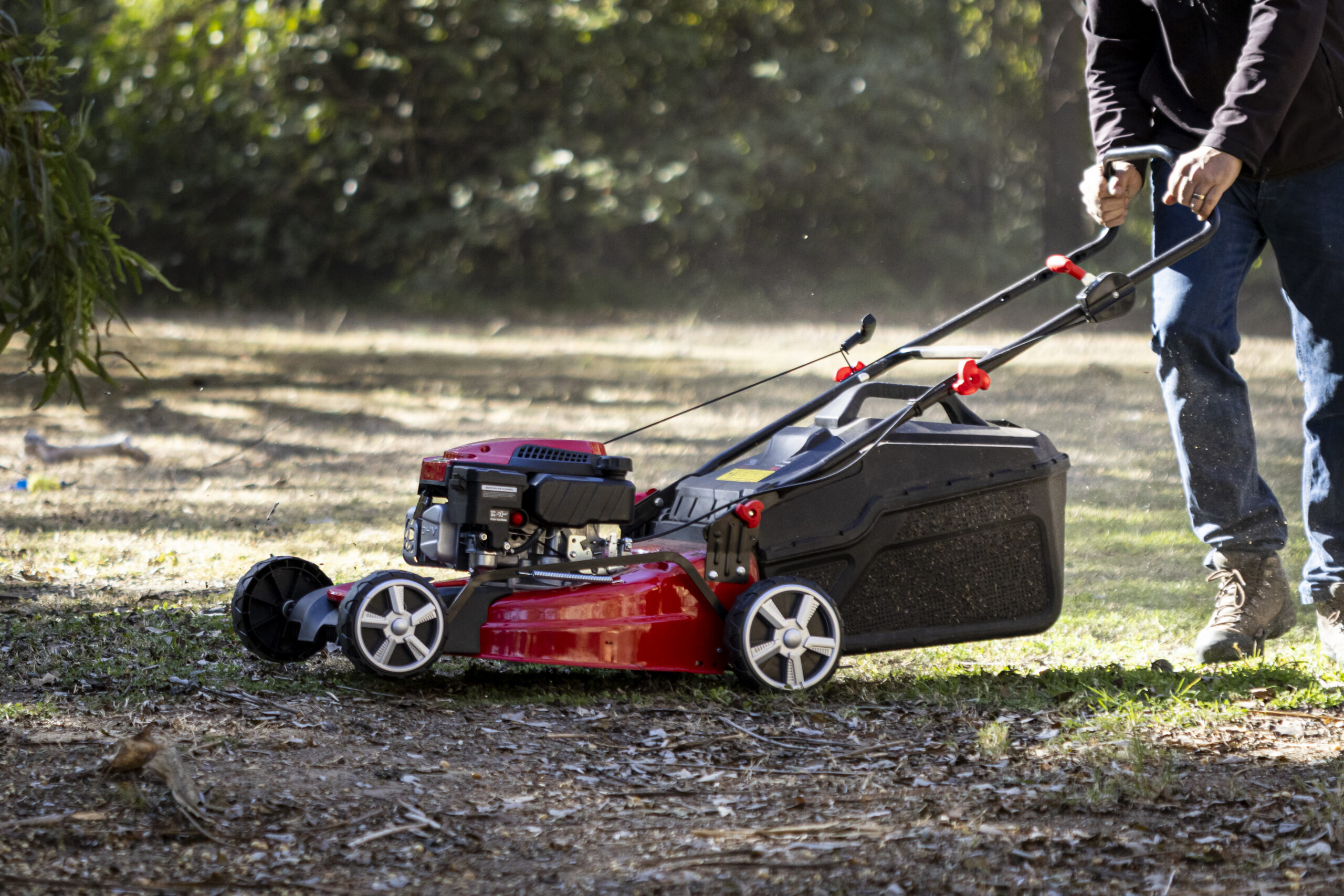
Lawn Mowers: Match the Machine to Your Lawn
For many homeowners, the lawn mower is one of the most frequently used pieces of garden machinery. Choosing between petrol and cordless depends on more than lawn size. Mowing frequency, grass length, terrain and the amount of time you typically spend mowing all influence the right choice. The XBSM-510PLUS 36V Brushless Scissor Mower, with a 510mm cutting path, provides a cordless option for regular lawn maintenance. Battery-powered mowing offers a convenient solution for homeowners who maintain their lawns regularly and want to avoid storing fuel or dealing with engine start-up. Cordless mowers also suit residential environments where lower operating noise matters.
The RM-190P 190CC Petrol Lawnmower, with a 480mm cutting width, gives users the capability of petrol-powered mowing. Petrol power works well for larger areas, thicker grass and overgrown lawns, as well as longer mowing sessions where extended operation is important. Interestingly, lawn size isn’t the only factor that determines how demanding a mowing job will be. A relatively small lawn that has been left to grow for several weeks can create a tougher job than a larger lawn that receives regular maintenance. Your mowing habits can therefore matter just as much as the size of your garden. Think about how often you mow, how quickly your grass grows and what your lawn looks like when it needs the most attention.
Pro tip: Think about your lawn on its worst day, not just its best day.
If you regularly keep your grass short, cordless mowing may provide everything you need. If your lawn frequently becomes long, thick or overgrown, consider the additional capability and runtime of a petrol mower.
Earth Augers: How Many Holes Do You Need to Drill?
Earth augers show how quickly the scale of a project can change your equipment requirements. Whether you’re planting, landscaping or installing fence posts, consider the number of holes you need to drill and the condition of the soil before choosing your auger.
The XBA-18 18V Brushless Earth Auger offers a cordless option for users who value convenience and battery-powered operation. It suits smaller residential landscaping projects and occasional jobs where you want to pick up the tool and get started without preparing or storing fuel. For more demanding applications, the PA-200 51.7CC Petrol Earth Auger, with a 200mm bit, provides the capability needed for larger earth-drilling projects. Petrol power suits jobs that involve multiple holes, longer working periods or more intensive drilling where sustained operation matters. The scale of the project should guide your choice. Drilling a few holes for planting is very different from preparing a long fence line. As the number of holes increases, runtime and sustained performance become more important. Think about the job from start to finish. If you only need to drill a handful of holes, a cordless earth auger can offer the convenience you need. If you’re preparing dozens of holes for a larger project, petrol power may provide the additional runtime and capability required to keep the work moving.
Pro tip: Count the holes before choosing your auger.
A small planting project and a large fencing project can require completely different approaches. Match your earth auger to the number of holes, soil conditions and overall workload.
Pole saws: reaching the right branch
Pole saws are designed to make pruning higher branches more accessible from ground level, making them particularly useful for routine tree and garden maintenance. For the average homeowner, a pole saw can be useful when branches need to be managed regularly but the job doesn’t justify bringing out larger tree-cutting equipment. Cordless technology can be especially convenient here because pruning is often an occasional maintenance task rather than an extended cutting session. When choosing a pole saw, consider the height and size of the branches you typically need to manage, as well as how frequently you’ll be using it. The convenience of cordless can be valuable for residential pruning, while more demanding work may require machinery designed specifically for that level of application.
Pro tip: More reach doesn’t automatically mean more cutting capability.
Always match the machine to the size and type of branch you’re working with and follow the manufacturer’s operating instructions.
Petrol vs cordless: what about noise?
Noise can be an important consideration when choosing garden machinery, particularly in residential areas. Petrol-powered equipment generally produces more engine noise because it uses an internal combustion engine. For larger or more demanding jobs, many users are willing to accept this in exchange for the capability and extended working time petrol machinery can provide. Cordless tools, by comparison, generally offer a quieter operating experience. This can make them particularly attractive for homeowners working in built-up residential areas, gardens close to neighbours or environments where keeping noise to a minimum is important. That doesn’t mean cordless tools are silent; cutting, blowing and mowing still produce operational noise; but the absence of a running petrol engine can make a noticeable difference to the overall experience.
Pro tip: Consider when and where you garden.
If you’re doing quick maintenance early in the morning or working close to neighbours, operating noise may become an important part of your decision.
Consider your climate and working environment
Your garden’s environment can also influence which technology makes sense. In hot, dry or dusty conditions, consider how long you’ll be working, how the machine will be maintained and how it will be stored. For cordless equipment, batteries should always be used, charged and stored according to the manufacturer’s guidelines. Extreme temperatures can affect battery performance and charging. For petrol machinery, fuel storage, engine maintenance and air-filter care become increasingly important when equipment is used frequently in dusty conditions. Your working environment matters too. A large rural property with extensive vegetation may naturally call for a different selection of equipment than a compact suburban garden. Likewise, someone who gardens for several hours at a time has different requirements from someone who spends fifteen minutes maintaining their lawn on a Saturday morning.
Pro tip: Think about your normal working conditions, not just the machine’s specifications.
The “best” garden machine on paper isn’t necessarily the best machine for your property.
Can you use both?
Absolutely. Choosing between petrol and cordless doesn’t have to mean choosing one technology for your entire garden. In fact, many gardeners may find that different tools suit different jobs. You might choose an 18v cordless line trimmer for quick lawn maintenance, while keeping a petrol brush cutter for areas of tougher vegetation. You could use a cordless blower for everyday clean-ups but rely on a petrol blower and mulching vacuum when dealing with larger seasonal clean-up jobs. A cordless chainsaw may be ideal for routine pruning, while a petrol chainsaw offers the additional capability required for larger cutting work. The best garden setup is therefore not necessarily about choosing one side. It’s about building a collection of tools that match the work you actually do.
The right tool depends on the job
The petrol-versus-cordless debate becomes much easier when you stop asking “which is better?” and start asking: “which is better for my job?” For some gardeners, petrol machinery will provide the power and extended working capability they need. For others, cordless tools will provide more than enough performance while offering the convenience of battery power, easy start-up and lower operating noise. Think about your garden and your typical workload.
- Small garden + regular maintenance? Cordless could be the convenient choice.
- Large property + demanding vegetation? Petrol may offer the capability you need.
- Occasional pruning and clean-up? Cordless can make quick jobs easier.
- Longer, intensive work? Consider the runtime and sustained performance required.
- Noise-sensitive environment? Cordless may be worth considering.
- Large-scale clearing? Petrol may be the better fit.
The important thing is to match the tool to the application.
The bottom line
There isn’t one answer to the petrol-versus-cordless question. The right choice depends on what you’re doing, where you’re doing it and how often you’re doing it. A homeowner pruning a few branches, trimming lawn edges and clearing leaves every weekend has very different requirements from someone clearing dense vegetation, drilling dozens of fence-post holes or cutting large timber. So before choosing your next garden machine, ask yourself:
- How big is the job?
- How intensive is the job?
- How long will i be working?
- How often will i use the tool?
- What does my environment allow?
Once you understand the job, choosing the right technology becomes much easier. Whether you choose the capability of petrol power or the convenience of cordless, the goal is the same: Know the job. Know your garden. Choose the right tool.